
Ultimate Guide to Foundation Repair Products for Every Need
Get insights into the most effective and versatile products to tackle foundation issues of varying complexity.
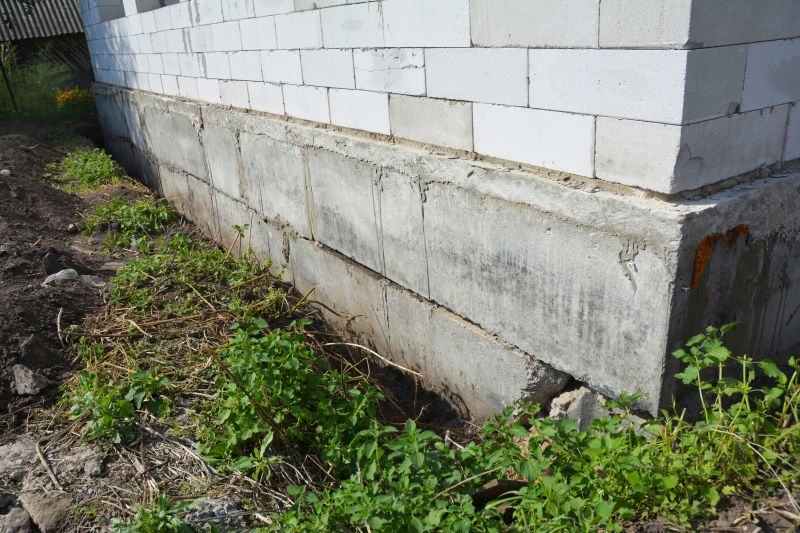 Foundation repairs are a critical aspect of maintaining the structural integrity of a building, especially in areas prone to soil movement or moisture fluctuations. When addressing foundation issues, it's essential to select products that are reliable, durable, and appropriate for the specific type of repair needed. From underpinning and stabilization to sealing and waterproofing, there are numerous solutions designed to help restore and reinforce foundations. Proper selection and application of these products can contribute to the longevity and safety of a property.
Top Overall Option
Polyurethane Foam Injection Systems
Polyurethane foam injection systems are widely used for lifting and stabilizing settled or cracked foundations. They are versatile, quick to apply, and capable of filling voids and cracks effectively. These systems can be an excellent choice for minor to moderate repairs, providing a non-invasive solution that expands upon contact to lift and stabilize the foundation. Proper application requires professional expertise to ensure optimal results and long-term stability.
Types of Products For Foundation Repairs
Epoxy Crack Injection Kits
Designed to seal and stabilize cracks, these kits are suitable for minor structural repairs and crack reinforcement.
Helical Piers
Used for deep foundation stabilization, these piers transfer the load to stable soil layers.
Push Piers
A popular method for lifting and stabilizing settled foundations by inserting and expanding beneath the footing.
Mudjacking and Slab Jacking Materials
Materials like polyurethane foam or concrete slurry used to lift and level sunken slabs.
Waterproofing Membranes
Membranes applied to exterior or interior foundation surfaces to prevent moisture intrusion.
Carbon Fiber Reinforcement
Used to reinforce cracked walls and prevent further movement, offering additional strength.
Soil Stabilizers
Chemical solutions that improve soil bearing capacity and reduce settlement.
Grout and Sealants
Used for sealing joints, cracks, and voids to prevent water infiltration and further damage.
Underpinning Piles
Supports and stabilizes foundations by transferring loads to deeper, stable soil layers.
Drainage Systems
Drainage solutions that redirect water away from the foundation to reduce soil moisture fluctuations.
Vapor Barriers
Installed to control moisture vapor transmission and protect foundation surfaces.
Foundation Braces and Supports
Temporary or permanent supports to reinforce weak or compromised foundation structures.
Popular Choices
Commonly used for lifting and sealing cracks, these systems are favored for their quick application and minimal disruption.
Popular for crack reinforcement and preventing further wall movement, especially in basement walls.
Widely selected for their capacity to lift and stabilize settled foundations through deep support.
Frequently chosen to create a moisture barrier around the foundation exterior, helping to mitigate water issues.
Used to improve soil load-bearing capacity, these products are trending for their role in foundation stability.
A preferred method for leveling sunken slabs with minimal excavation and quick results.
Increasingly popular for supporting and strengthening aging or compromised foundations.
Effective for managing water infiltration and reducing hydrostatic pressure inside basements.
Commonly used for sealing cracks and restoring wall integrity in residential and commercial structures.
Popular for controlling moisture vapor transmission and protecting foundation surfaces from dampness.
Frequently used during active repair projects to temporarily stabilize weak structures.
In Bartlett, IL, where soil conditions and weather patterns can influence foundation stability, homeowners and contractors often turn to a variety of specialized products. These include epoxy injections for cracks, helical piers for stabilization, and waterproofing membranes to prevent moisture intrusion. Each product type serves a unique purpose and can be used in combination for comprehensive foundation repair strategies. Understanding the differences and applications of these products is vital for making informed decisions.
Choosing the right foundation repair products involves considering factors such as the extent of damage, soil type, accessibility, and long-term performance. Proper installation methods and compatibility with existing structures are also crucial. Consulting with professionals and selecting high-quality, proven products can help ensure effective repair outcomes. While the market offers many options, prioritizing products that meet industry standards and manufacturer guidelines is recommended for safety and durability.
Whether addressing minor cracks or major structural issues, a well-informed approach to foundation repair products can support the stability and safety of a building. Regular inspections and timely repairs can prevent further damage and costly future repairs. For residents and contractors in Bartlett, IL, understanding the available product options and considerations can aid in planning effective and lasting foundation solutions.
Key Buying Considerations
- Assess the extent and type of foundation damage to determine suitable repair products.
- Understand the soil conditions and drainage patterns at your location to select appropriate solutions.
- Consider the long-term durability and compatibility of repair materials with existing structures.
- Evaluate whether professional installation is recommended or if DIY options are feasible.
- Check for products that meet industry standards and have proven performance records.
- Factor in the accessibility of the repair site, especially for interior versus exterior applications.
- Review warranty options and manufacturer support for the products you choose.
- Determine if additional structural reinforcement, such as wall supports or braces, is necessary.
- Consider the environmental conditions, such as moisture levels and soil stability, that might influence product effectiveness.
- Compare costs and benefits of different repair methods to select the most appropriate solution.
- Ensure proper application techniques are followed to maximize product performance.
- Look for products with clear instructions and safety guidelines for proper use.
- Consult with foundation repair specialists to get tailored recommendations based on your specific situation.